The rise of remote work has sparked renewed attention on how we sit, stand, and move throughout the day. One of the most debated topics in modern home office design is whether a standing desk is better than a traditional sitting desk.
The answer is not as simple as choosing one over the other. The most productive home office often combines both approaches strategically.
The Problem with Prolonged Sitting
Extended sitting has been linked to several health concerns, including lower back pain, reduced circulation, and metabolic issues. When working from home, it is easy to remain seated for hours without natural movement breaks that typically occur in traditional office environments.
Research published by the Mayo Clinic highlights that prolonged sitting is associated with increased risks of cardiovascular disease and other health conditions. While simply standing all day is not the solution, reducing continuous sitting time is critical.
The Benefits of a Standing Desk
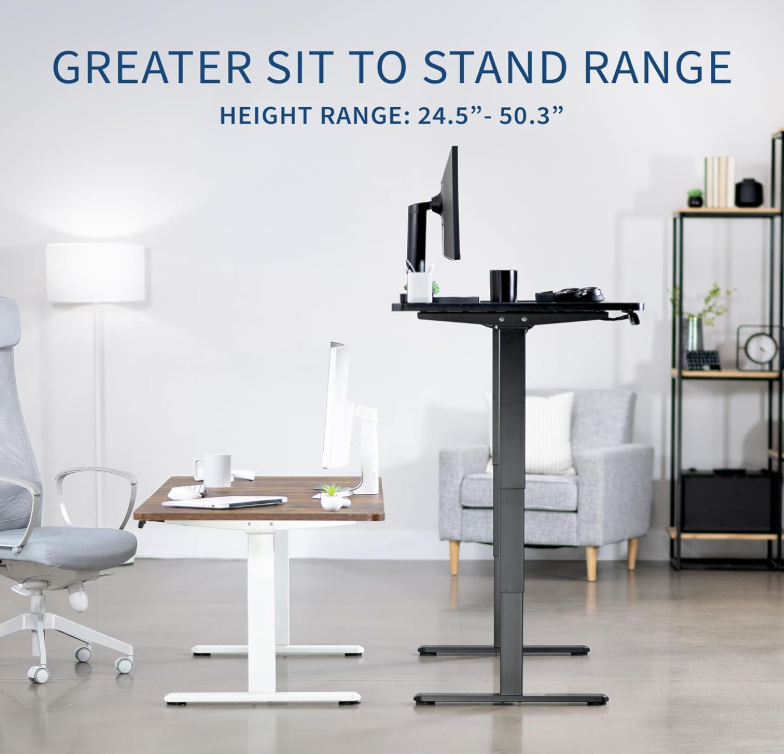
A standing desk allows you to alternate between sitting and standing throughout the workday. This variation improves circulation, engages core muscles, and reduces pressure on the lower back.
Many users report improved alertness and energy levels when standing during certain tasks, especially during meetings or administrative work. Standing can also promote better posture when done correctly, particularly when the desk height is properly adjusted.
However, standing for long uninterrupted periods can also cause fatigue, leg strain, and foot discomfort. The key is balance rather than extremes.
Why Adjustable Desks Are the Smart Choice
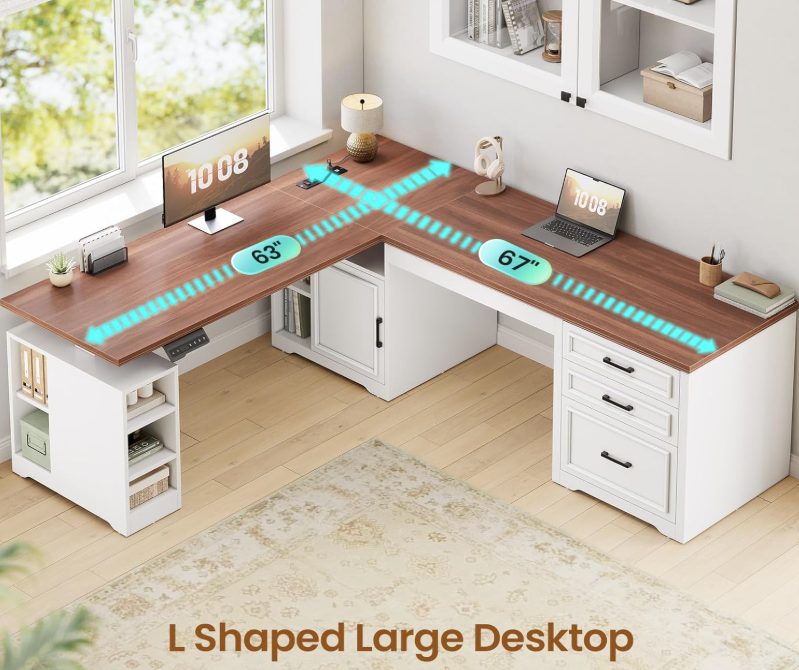
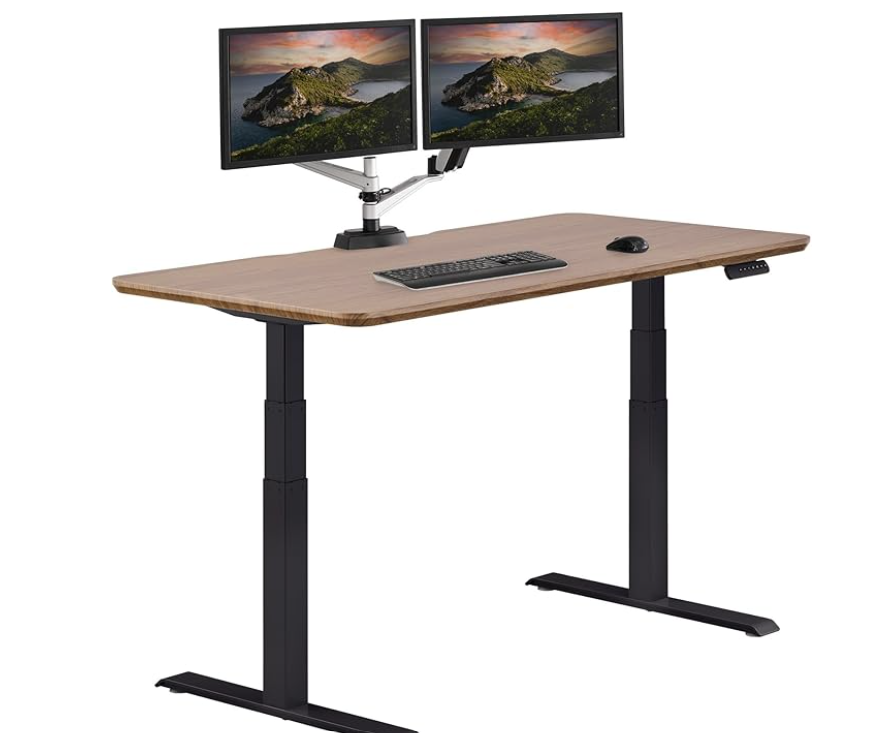
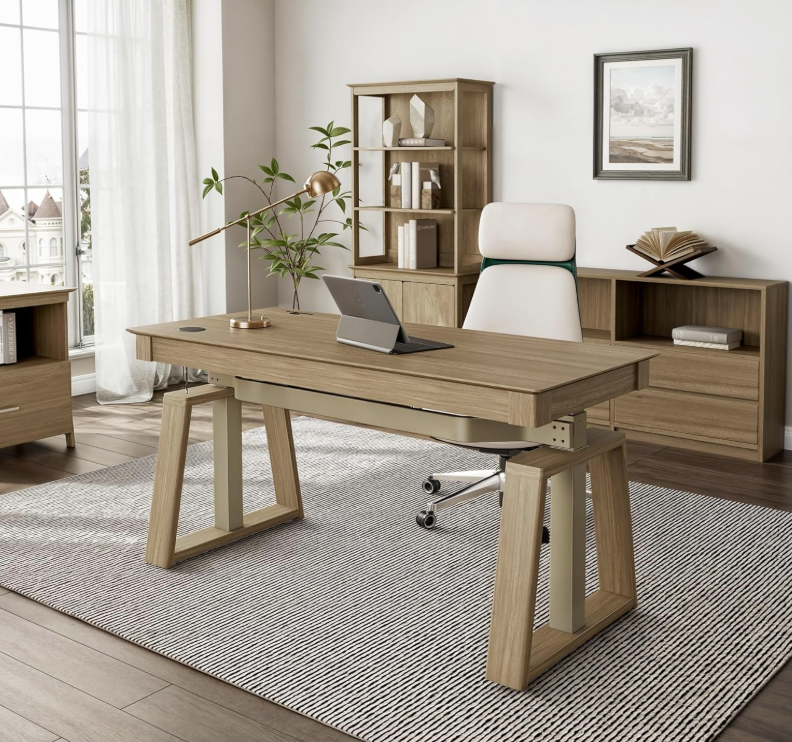
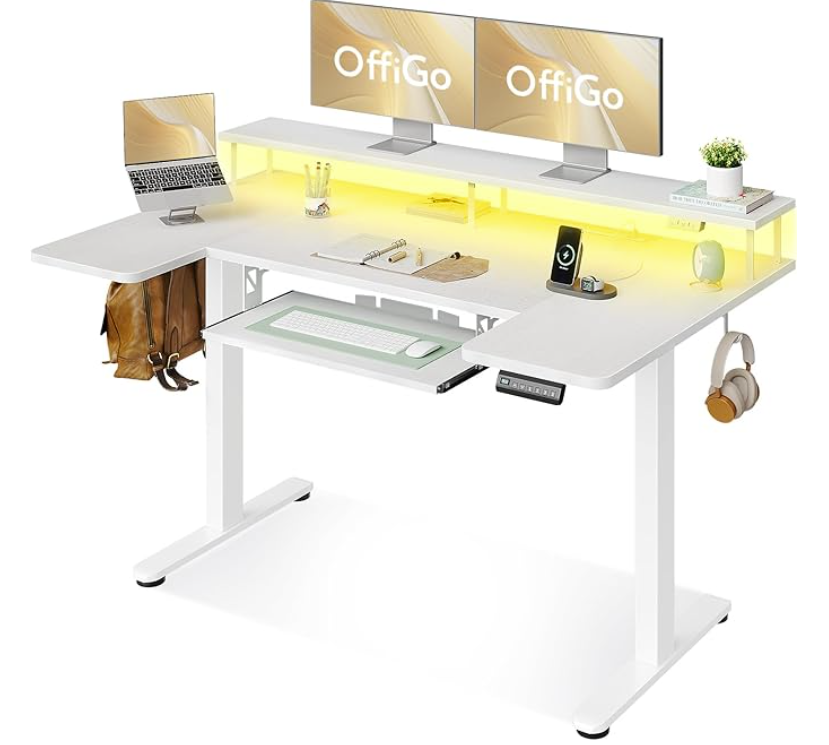
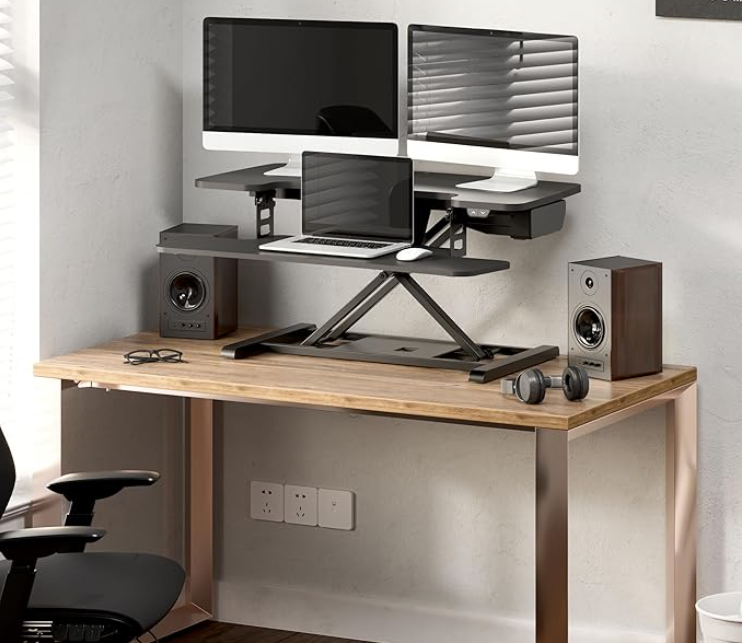
The most effective solution for a modern home office setup is an adjustable sit-stand desk. This design allows seamless transitions between sitting and standing positions.
Alternating every 30 to 60 minutes helps maintain circulation and reduces musculoskeletal strain. The ability to change posture throughout the day encourages movement without interrupting workflow.
Pairing an adjustable desk with an ergonomic chair creates a dynamic workspace that adapts to your body’s needs.
Productivity Considerations
From a productivity perspective, posture variation supports sustained focus. Standing can increase alertness during low-energy periods, while sitting may be preferable for deep concentration tasks that require stability.
The goal is not to eliminate sitting, but to avoid static positioning. Movement stimulates blood flow to the brain, which may enhance cognitive function during long work sessions.
Cost vs. Long-Term Value
Adjustable standing desks typically cost more than fixed desks. However, similar to ergonomic chairs, the long-term health benefits often justify the investment.
For remote professionals who spend 30–40 hours per week at their desks, the ability to alternate positions can reduce discomfort and increase daily performance.
Final Thoughts
Standing desks are not a replacement for sitting desks. Instead, they are a complement. The healthiest and most productive home office integrates movement into the daily routine.
If you are designing or upgrading your workspace, consider flexibility over rigidity. Your body was not designed to remain in a single position for hours.
A dynamic workspace supports dynamic work.